
Why are architecture firms still using 15 different tools instead of just one?
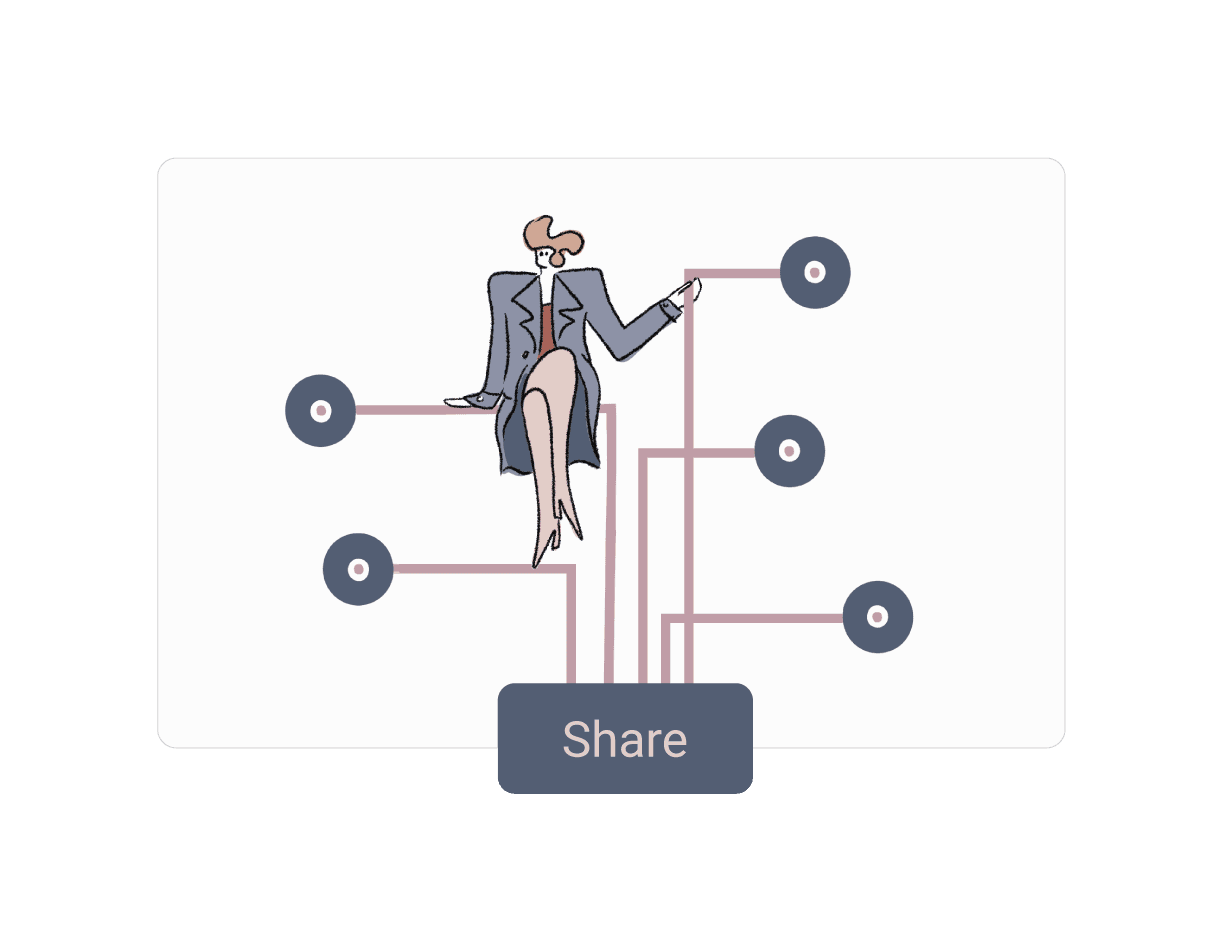
If you’ve ever worked in an architecture office, you know the drill.
One tab is open for CAD, another for BIM, a third is for project management, a fourth for a chat, a fifth for file sharing, and that’s just before your morning coffee.
So why do architecture firms keep juggling a dozen apps instead of one construction collaboration platform that does it all? Here’s what’s really going on behind all those open windows:
1. Every tool has its superpower
Some tools are simply better at certain things. CAD is great for drawing. BIM is king for 3D modelling. Then you’ve got rendering, project management, and collaboration tools—each with its own strengths. No single app nails everything, so we have to mix and match to get the job done.
2. Old habits die hard
We have to admit it: change is hard. Many firms have legacy systems they know inside out. Switching to something new means retraining everyone, migrating data, and risking downtime. Sometimes, it’s just easier to stick with known CAD and project management setups than adopt an all-in-one architecture tool.
3. Integration is… a work in progress
In a perfect world, all our tools would talk to each other. In reality? Not so much. Integrations can be clunky or non-existent, so teams end up using standalone solutions and manually moving data around.
4. Everyone has their favourite
Ask three architects what their favourite tool is, and you’ll get five different answers. Designers, project managers, and engineers all have their own preferences, and getting everyone to agree on one platform is impossible.
5. Budgets matter
Not every tool comes cheaply. Firms often combine free, low-cost, and premium software to keep costs in check—especially on smaller projects or with tight budgets.
6. Clients and Projects Call the Shots
Sometimes, the client or the project itself dictates which software you have to use. If a client wants files in a specific format or a contractor needs access to a certain platform, you have to adapt.
7. We Love to Experiment
Architects are creative people! We’re always testing out new tools for specific tasks, while keeping the old favourites in the mix just in case.
So, What’s the Solution?
The dream of “one tool to rule them all” is still just that—a dream. But platforms like VOLUM3 are working to bridge the gap, making it easier to connect your favourite tools, centralise communication, and keep your projects running smoothly (with fewer tabs open).
Until then, we’ll keep juggling—and maybe, just maybe, one day we’ll get to close a few of those windows for good.